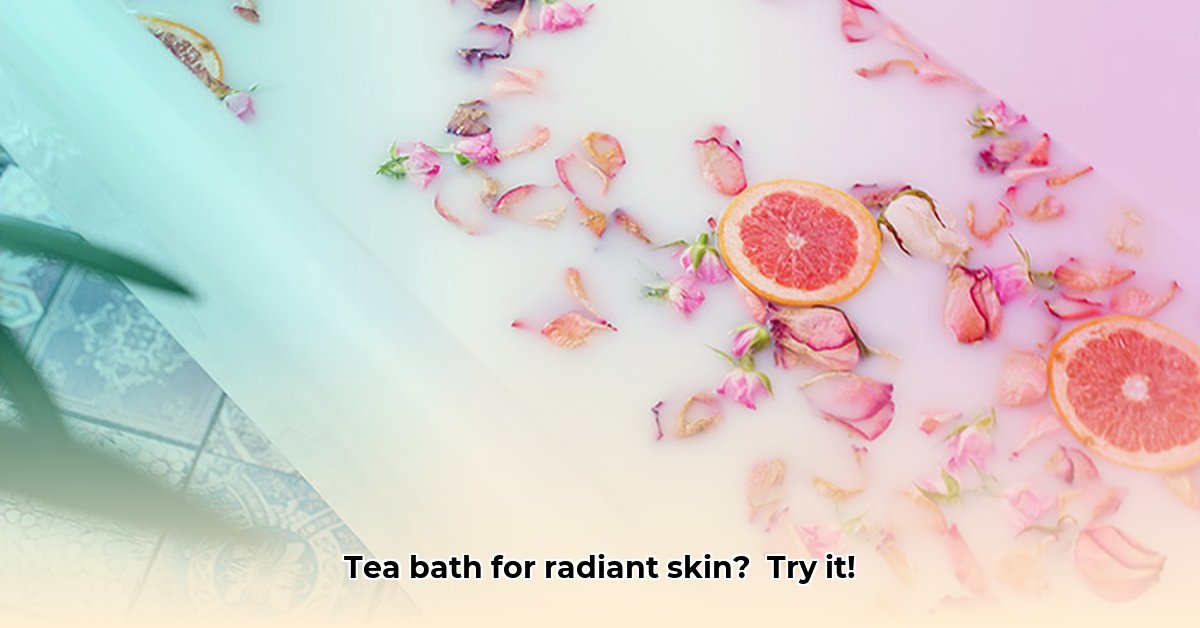
Benefits of Bathing in Tea: A Soothing Soak for Mind and Body
Adding a teabag to your bath might sound unconventional, but infusing your bathwater with tea offers potential benefits for relaxation and skin health. While not a substitute for medical treatment, the practice boasts anecdotal evidence suggesting several advantages. This article explores these benefits, provides practical guidance, and acknowledges the limitations of current scientific research.
Many teas contain antioxidants and anti-inflammatory compounds that could potentially benefit your skin. Think of your skin as a sponge, absorbing these beneficial elements from the herbal brew. For example, chamomile is known for its soothing properties, making it ideal for calming irritated skin. Lavender's calming aroma further enhances relaxation. Green tea, rich in antioxidants, helps combat free radical damage. However, it's crucial to note that more research is needed to definitively quantify the absorption and efficacy of these compounds on various skin conditions. While numerous individuals report positive experiences, large-scale clinical trials are needed to confirm these claims.
Unwind and De-stress with a Tea Bath
In today's fast-paced world, stress is pervasive. A warm tea bath might provide a solution for managing this stress. The gentle heat coupled with the aromatic herbs can create a moment of tranquility, promoting muscle relaxation and potentially calming the nervous system. While many find tea baths deeply relaxing, further investigation is needed to scientifically quantify these stress-relieving effects.
Creating Your Personalized Tea Bath: A Step-by-Step Guide
Ready to experience the benefits of a tea bath? Follow these simple steps:
- Select Your Tea: Choose a tea based on your desired outcome. Chamomile and lavender are excellent for relaxation, while green tea or calendula may soothe irritated skin. Experiment to find your favorites!
- Brew a Strong Infusion: Prepare a concentrated brew using several tea bags or a generous amount of loose-leaf tea.
- Prepare Your Bath: Draw a warm, not scalding, bath.
- Add the Tea: Once the bath is ready, carefully pour in your cooled tea.
- Relax and Unwind: Submerge yourself for at least 15-20 minutes.
- Rehydrate: After your bath, drink plenty of water to rehydrate.
Could a relaxing tea bath be the secret to better sleep and stress management? Many users report significant improvements in sleep quality after incorporating regular tea baths into their routine.
Understanding the Pros and Cons of Tea Baths
While promising, it's vital to consider both the potential benefits and drawbacks.
Advantages:
- Relaxation and Stress Reduction: Anecdotal evidence suggests tea baths promote relaxation and stress reduction.
- Potential Skin Benefits: Antioxidants and anti-inflammatory compounds in some teas may soothe skin.
- Natural and Accessible: Tea baths are a simple and readily accessible form of self-care.
- Affordable and Convenient: Most teas are inexpensive and easy to obtain.
Potential Drawbacks:
- Limited Scientific Evidence: Further research is needed to fully validate the reported benefits.
- Allergic Reactions: Individual allergies to certain teas are possible; conduct a patch test beforehand.
- Not a Medical Substitute: Tea baths should not replace professional medical care for skin conditions.
Always consult your doctor before starting any new self-care routine, especially if you have pre-existing health conditions or skin sensitivities.
Tailoring Your Tea Bath Experience: Recipes for Different Needs
Customize your experience based on your needs:
| Desired Effect | Tea Type(s) | Additional Ingredients (Optional) |
|---|---|---|
| Relaxation & Stress Relief | Lavender, Chamomile | Epsom salts, lavender or chamomile essential oil |
| Skin Soothing | Green tea, Calendula | Honey, colloidal oatmeal |
| Muscle Pain Relief | Ginger, Peppermint | Epsom salts |
Remember, listen to your body and prioritize self-care. Enjoy the journey of discovering the perfect tea bath for you.
Key Takeaways:
- Tea baths offer a potential avenue for relaxation and skin soothing.
- While anecdotal evidence is promising, rigorous scientific validation is lacking.
- Further research, including well-designed clinical trials, is essential to fully understand the efficacy of tea baths.